
Video Production Brief: What to Include for Better Results
What to Include in a Video Production Brief to Get Exactly What Your Business Needs
One of the biggest misconceptions businesses have when hiring a video production company is that the production team will simply "figure it out".
While experienced production professionals can certainly guide the creative process, the quality of the final video often depends on the quality of the brief provided at the start.
In fact, many expensive revisions, missed expectations, delayed timelines, and disappointing results can be traced back to one issue:
A vague or incomplete video production brief.
The good news is that creating a strong brief does not require marketing expertise or filmmaking experience. It simply requires clarity.
Whether you're commissioning a promotional video, testimonial, recruitment campaign, brand film, event recap, or social media content, this guide will help you provide the information needed to get exactly what your business wants—without unnecessary revisions, budget overruns, or frustrating back-and-forth.
Why a Good Video Production Brief Matters
Imagine hiring an architect and saying:
"We need a building. Make it look nice."
Most people would recognise that as insufficient information.
Yet businesses often approach video projects the same way.
They request:
a promotional video,
a corporate film,
or social content,
without clearly defining objectives, audience, messaging, or expected outcomes.
A strong brief helps a production team understand:
What does success look like?
Who is the audience?
What message needs to be communicated?
And how the finished video will be used?
The clearer the brief, the more accurately the production team can deliver the desired result.
At Title Productions, some of the most successful projects begin with detailed conversations that establish these foundations before a single camera is switched on.
The Real Cost of a Poor Video Brief
Many businesses assume revisions are simply part of the process.
While some revisions are normal, excessive changes often become expensive.
A weak brief can lead to the following:
additional editing hours,
reshoots,
project delays,
increased production costs,
internal stakeholder disagreements,
and videos that fail to achieve business objectives.
Ironically, spending an extra hour refining your brief can save days of revisions later.
What Every Video Production Brief Should Include
Let's break down the essential components.
1. Define the Purpose of the Video
Before discussing cameras, locations, or editing styles, answer one simple question:
What is the video supposed to achieve?
Common objectives include:
generating leads,
increasing sales,
building brand awareness,
recruiting staff,
launching a product,
educating customers,
improving trust,
showcasing expertise,
or promoting an event.
The objective determines every creative decision that follows.
For example:
A recruitment video requires a completely different approach than a customer testimonial.
A product launch video requires different storytelling than a company culture film.
Without a clear objective, the production team is essentially guessing.
2. Identify Your Target Audience
One of the fastest ways to create an ineffective video is trying to speak to everyone.
Instead, define exactly who the video is for.
Consider:
Who is the viewer?
Examples:
CEOs
Marketing Directors
HR managers
Small business owners
Property investors
Parents
Students
Healthcare professionals
What problem do they have?
What information do they need?
What action should they take after watching?
A clear audience profile helps shape messaging, visuals, pacing, and tone.
This audience-first approach is a key factor behind many successful projects featured in the Title Productions portfolio.
3. Explain Your Core Message
If a viewer remembers only one thing after watching the video, what should it be?
Many businesses try to communicate too much.
As a result, viewers remember nothing.
Instead, identify:
Your Primary Message
The single most important takeaway.
Supporting Messages
Additional points that reinforce the primary message.
A focused message creates stronger engagement and higher conversion rates.
4. Specify the Desired Outcome
A surprising number of businesses never define what success actually looks like.
Your production company should know what result you're aiming for.
Examples include:
increase website enquiries,
generate bookings,
boost product sales,
improve recruitment applications,
raise awareness,
increase event attendance,
improve conversion rates.
When success is clearly defined, creative decisions become easier and more strategic.
5. Share Examples You Like
One of the most valuable things you can include is reference material.
Show examples of videos you admire.
This helps communicate preferences regarding:
pacing,
editing style,
tone,
storytelling,
graphics,
music
and visual quality.
You do not need to explain every creative detail.
Often, a few examples can communicate more than several paragraphs.
6. Define Your Brand Personality
Your video should feel like an extension of your brand.
Ask yourself:
How should viewers feel?
Options might include:
inspired,
reassured
excited
confident
informed
entertained
motivated,
or emotionally connected.
Similarly, describe your brand personality.
Examples:
professional,
premium
approachable,
innovative,
luxury
corporate
creative
trustworthy.
Providing this information helps the production team align creative decisions with your brand identity.
7. Explain Where the Video Will Be Used
This is one of the most overlooked sections of a video brief.
A video designed for LinkedIn differs significantly from one designed for YouTube.
Likewise, a website homepage video requires a different structure than a paid advertising campaign.
Specify whether the content will appear on:
websites
landing pages,
LinkedIn
Instagram,
Facebook,
YouTube,
trade shows,
presentations
internal communications,
or email marketing campaigns.
Understanding distribution channels helps shape aspect ratios, duration, editing style, and calls to action.
Businesses planning broader content strategies often benefit from discussing these requirements early with specialists offering comprehensive video production services.
8. Include Stakeholder Information
One common cause of revisions is late-stage feedback from decision-makers who were not involved earlier.
Identify:
Who Needs to Approve the Project?
Examples:
CEO
Marketing Director
Founder
HR Manager
Board Members
Knowing this in advance helps streamline review processes and reduce surprises.
9. Be Honest About Budget
Many businesses hesitate to discuss budget.
However, budget transparency helps production companies recommend the most appropriate solution.
Without a budget framework, proposals may miss expectations entirely.
A realistic budget allows the team to determine:
crew size,
filming days,
equipment requirements,
animation options,
locations
and post-production scope.
Transparency saves time for everyone.
10. Include Deadlines and Key Dates
Production schedules affect everything from crew availability to editing timelines.
Share:
launch dates,
event dates,
campaign deadlines,
internal review periods,
and final delivery expectations.
The earlier this information is known, the easier it is to plan effectively.
The Information Most Businesses Forget
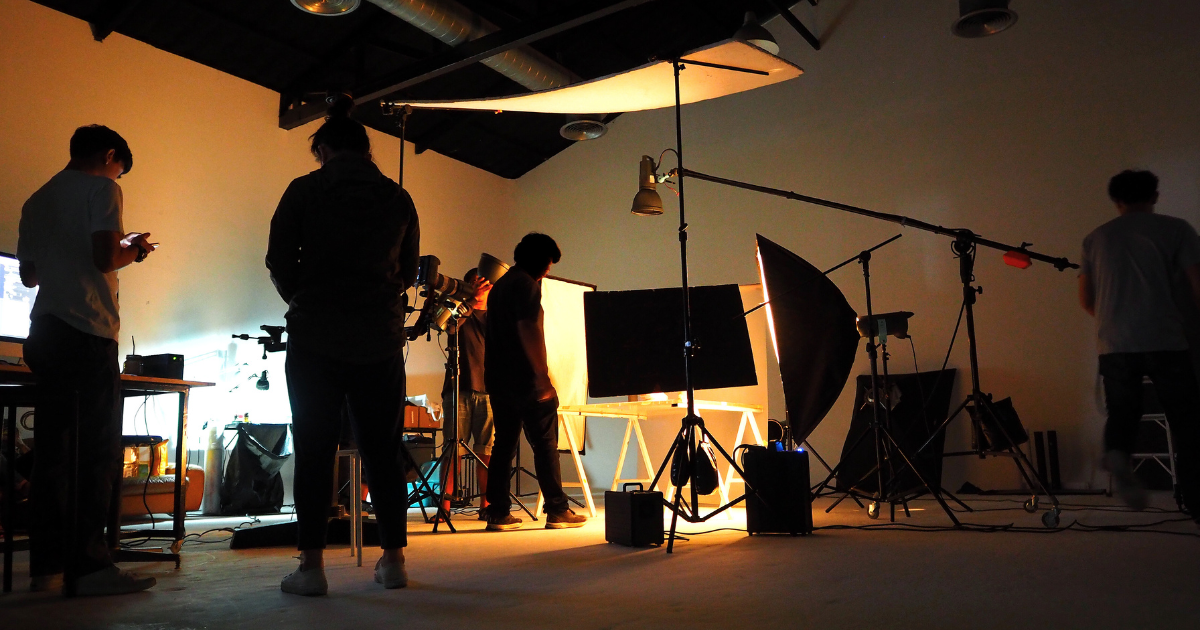
Information Most Businesses Forget
After years of producing business videos, one important detail is frequently overlooked:
What objections does your audience have?
Think about the concerns a potential customer may have before buying.
Examples:
price concerns,
trust issues,
implementation fears,
uncertainty about results,
comparison with competitors.
Addressing these objections within the video often improves conversion performance significantly.
A Simple Video Brief Template
If you're preparing to hire a production company, include the following:
Project Overview
What is the project?
Objective
What should the video achieve?
Audience
Who is the target viewer?
Key Message
What should they remember?
Distribution Channels
Where will the video be used?
Brand Personality
How should the video feel?
Examples
What style do you like?
Budget
What investment range is available?
Timeline
When is the project needed?
Approvals
Who signs off on the final version?
Why Great Video Projects Start Before Filming
The most successful videos are rarely the result of spontaneous creativity on filming day.
They are usually the outcome of strategic planning that happens long before production begins.
A detailed brief provides direction, alignment, and clarity.
It helps businesses communicate expectations while giving production teams the information needed to deliver content that performs.
Many of the challenges clients experience—missed expectations, excessive revisions, and unclear messaging—can be prevented with a thoughtful briefing process.
Final Thoughts
A great video production brief is not about controlling creativity.
It is about providing clarity.
When objectives, audience, messaging, timelines, and expectations are clearly defined, production teams can focus their energy on what they do best: creating exceptional content that achieves business goals.
The result is a smoother process, fewer revisions, faster approvals, and a final video that delivers measurable value.
If you're preparing to commission a video project and want expert guidance from the planning stage through final delivery, contact Title Productions to discuss your requirements and build a production strategy tailored to your business goals.